MCA Live Transfers Explained: How a Warm Transfer Works
How MCA live transfer leads work: the call flow step by step, warm vs cold transfers, where transfers fail, what the record holds and a daily capacity plan.
By Lendable Leads EditorialUpdated 7 min read3 sources
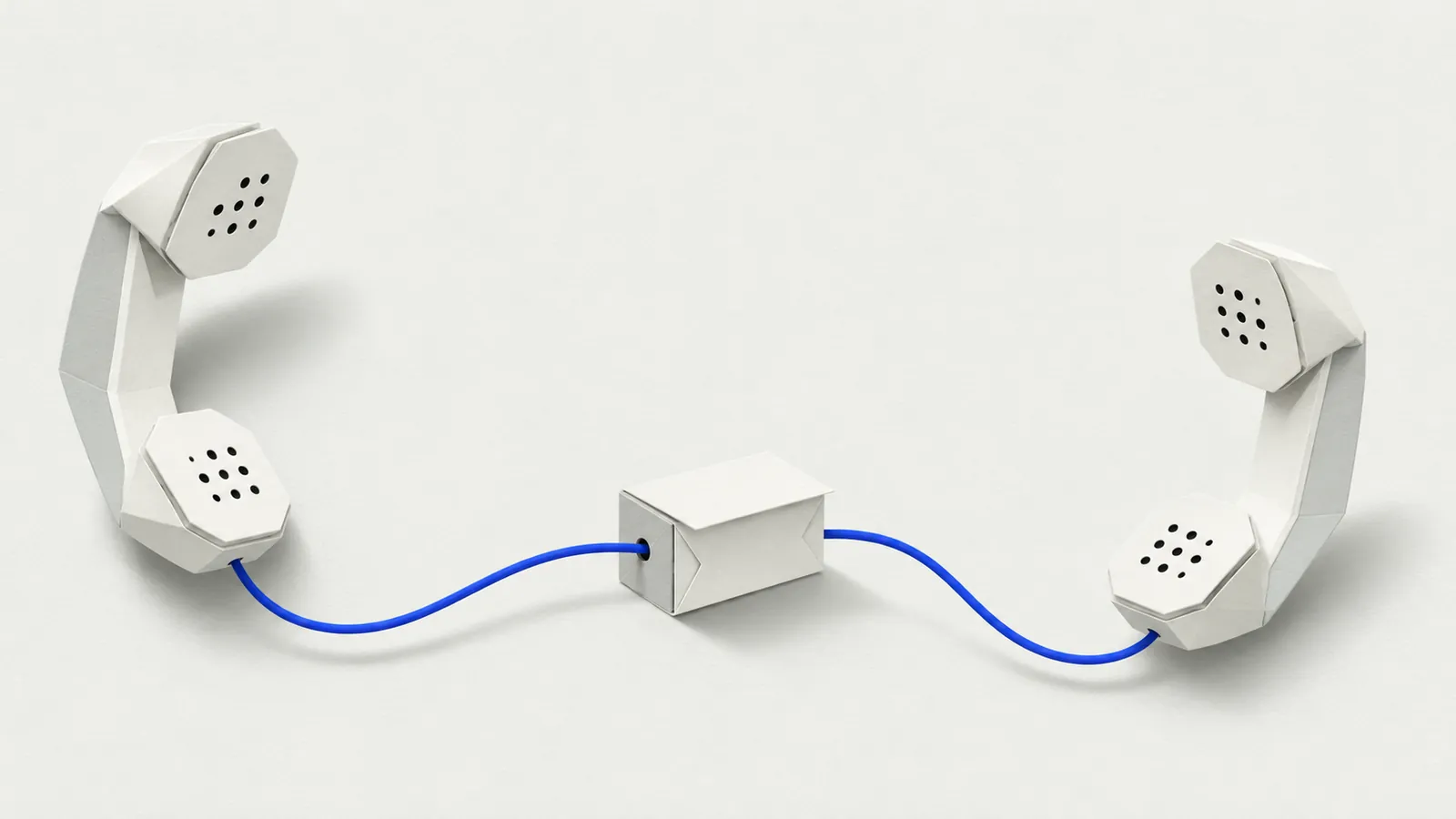
MCA live transfer leads are phone calls, not records: a business owner who asked about a merchant cash advance is screened on a few questions and then connected to your closer while still on the line. In a warm transfer, the closer hears a short introduction first, so the conversation starts with the owner's name, business and needs instead of a cold hello.
How MCA live transfer leads work, step by step
A live transfer is one of several delivery types covered in our guide to exclusive vs shared leads. Here is what happens on a single call, in order.
- Owner applies. The owner submits an application, then calls in or takes the screener's call.
- Screening. The screener asks a few questions: time in business, monthly revenue, amount and timing.
- Hold and dial. The owner waits on hold while the screener dials your transfer line, which rings your closers.
- Answer. One of your closers picks up.
- Whisper. The screener tells your closer the owner's name, business, answers and amount. The owner cannot hear this part.
- Bridge. All three are on the line. The screener introduces the owner and what they asked for.
- Handoff. The screener drops off, the owner and your closer talk, and the clock toward the agreed billable duration starts.
Two moments matter most. The whisper (step 5) is the private introduction your closer hears before the owner joins; it should take seconds, not a minute. The bridge (step 6) is when all three are on the line, and the screener names the owner, says what they asked for and hands over. After that the call is yours.
Warm, cold and other transfer terms
Sellers use these words loosely, so pin them down in your agreement.
| Term | What it means | Why it matters to you |
|---|---|---|
| Warm transfer | Screener introduces the owner before connecting | Your closer opens with context |
| Cold or blind transfer | Owner is put through with no introduction | Closer starts from zero; should cost less |
| Whisper | A message only the closer hears before the connect | Lets the closer prepare without the owner waiting long |
| Inbound transfer | The owner called in, then was screened and transferred | Owner initiated the call |
| Outbound transfer | The screener called an owner who applied, then transferred | Depends on the consent from the application |
| Billable duration | Connected time after which the transfer is charged | Short drops should not be billed |
| Callback lead | Owner asked for a call later instead of now | A lead, not a transfer; price it as one |
Ask a seller which of these they mean by "live transfer" before you compare quotes. A cold transfer and a warm transfer at the same price are not the same product.
Where live transfers break, and who fixes it
Every handoff in those seven steps is a place the call can be lost. Most of the fixes sit with the buyer.
| Stage | What goes wrong | Prevention |
|---|---|---|
| Screening | Questions run long and the owner loses interest | Keep it to the few answers that decide fit |
| Dialing your line | Line rings to a receptionist or voicemail | Use a dedicated ring group that reaches closers only |
| Answering | Every closer is on another call | Cap daily transfers; set hours you can staff |
| Whisper | Closer misses the details | Show screening answers on screen as the call lands |
| Bridge | Owner hears silence or hold music too long | Agree a maximum ring time before the call rolls over |
| Conversation | Closer re-asks every screening question | Confirm, do not repeat: "You mentioned about $40k for inventory" |
| After the call | No notes, no follow-up booked | Log the outcome and next step before taking the next transfer |
Decide in writing what happens when your side does not answer: whether the call rolls to a second number, the screener books a callback, or the transfer is simply not billed.
What a transfer record should contain
A transfer leaves no lead file unless the seller creates one. Ask for this record on every call, because it is what you use to dispute a bad transfer and what you keep if anyone later asks why you called.
| Field | Purpose |
|---|---|
| Call start, connect and end times | Shows how long the owner waited and how long you talked |
| Connected duration | Decides whether the transfer is billable |
| Screening answers | What the owner told the screener, for your notes |
| Owner name, business, state, phone | Matches the call to a lead in your CRM |
| Recording reference, if recorded | Settles disputes about what was said |
| Original application consent record | Wording shown, timestamp, IP address, browser, page URL |
| Transfer line dialed | Confirms the call reached the number you gave |
The consent record matters after the transfer. If your team later calls back or texts the owner's cell phone using an autodialer or a prerecorded voice for marketing, the FCC's rules at 47 CFR 64.1200 require prior express written consent that "clearly authorizes the seller." Keep the application record with the deal.
Getting your team ready: a checklist and an opening script
Print this before the first transfer arrives.
- One transfer number that rings closers only, never a main line or voicemail.
- Staffed hours written down, in your time zone, and shared with the seller.
- A daily cap you can actually answer, reviewed weekly.
- Screening answers set to appear in your CRM when the call connects.
- A rule for missed transfers agreed with the seller in writing.
- A recording notice in your closers' opening line if your side records.
- A place to log outcome, next step and statements requested before the next call.
Your closer's first 20 seconds decide whether the owner stays. Something like this works because it proves the closer listened:
"Hi [first name], this is [your name] with [your company]. Thanks for holding. I understand you run a landscaping company in Tampa and you're looking for around $40,000 to buy equipment before spring. I'm going to ask two quick questions and then tell you what's realistic. Sound good?"
The business details and figures are examples. Keep the structure: name, thanks, what they asked for, what happens next. Our MCA first-call script carries the call from there.
How many transfers your team can take
Buy transfers to fit your closers' free time. Over-buying is an easy way to waste them, because an owner left ringing does not wait.
What transfers cost, and how sellers bill them, is in how much MCA live transfers cost. Whether a transfer or a fresh record suits your team better is covered in what MCA leads are, and what exclusive really means explains why a transfer should go to one closer only.
Recording, AI screeners and consent
Three compliance points come up on almost every transfer program.
Recording. Some states require every party's consent to record a call. Florida's statute, for example, makes recording lawful when "all of the parties to the communication have given prior consent". If your closers record, say so at the start of their part of the call. Our post on two-party consent states lists the rules by state.
AI screeners. In a February 2024 declaratory ruling, the FCC confirmed that the TCPA's limits on "artificial or prerecorded voice" calls cover current AI technologies that generate human voices. If any part of the screening call uses an AI voice, the consent behind that call has to support it.
Who the consent names. The owner's consent should cover the party calling. Ask the seller to show you the wording on the application.
Lendable Leads offers live transfers by quote, with limited capacity; the live transfers page sets out how we agree hours, screening questions and billing. This post is general information, not legal advice. Check your recording and calling practices with counsel.
Sources
- 1.47 CFR 64.1200, Delivery restrictions, Legal Information Institute, Cornell Law School
- 2.Declaratory Ruling FCC 24-17, AI technologies and robocalls (released February 8, 2024), Federal Communications Commission
- 3.Florida Statutes 934.03, Interception and disclosure of wire, oral, or electronic communications, Florida Legislature
Checked against these sources on November 25, 2026. Spotted an error? Tell us.
Questions
What is an MCA live transfer lead?
An MCA live transfer lead is a business owner who asked about a merchant cash advance, answered a few screening questions by phone and was then connected to a broker's or funder's closer while still on the line. The buyer pays for the connected call rather than for a record the team has to chase.
What is the difference between a warm transfer and a cold transfer?
In a warm transfer the screener introduces the owner to your closer before connecting them, so the closer knows the name, business and screening answers. In a cold or blind transfer the owner is simply put through. Warm transfers take a few seconds longer but start the conversation with context.
What happens if my closer does not answer a live transfer?
The owner is left waiting on hold, and most transfer agreements decide in advance what happens next: the call rolls to another number, the screener takes a callback time, or the transfer is not billed. Agree this before the first call, because an unanswered transfer is lost money for both sides.
How many live transfers can one closer handle in a day?
It depends on call length, wrap-up time and how many hours the closer is free. A closer who spends 30 minutes per transfer including notes and has 6 open hours can take about 12 in theory, but transfers arrive unevenly, so plan for far fewer and size your daily cap to match.
More on lead sources and delivery
Read the full guide


Tell us your credit box. We will tell you what we can deliver.
Share the lead types, states and volume you want. You get a pack quote and the exact fields each lead carries before you pay anything.